Photo: Wikimedia Commons A room by room cleaning checklist for one weekend helps you reset your whole house without spending all day on your feet. You work on shared living areas on Saturday morning and finish private rooms on Sunday afternoon. Spreading the work across two short blocks keeps the jobs small and manageable. How do I clean my whole house in one weekend? The easiest way to clean your whole house in one weekend is to split the tasks by floor and energy level. Start on Saturday morning at 9:00 AM with the highest traffic rooms. You will be fresh, and getting the main living spaces done gives you an immediate boost when you walk through the house later in the day. Gather your supplies in one caddy before you begin so you do not wander back and forth. You only need microfibre cloths, an all-purpose spray, glass cleaner, a scrub brush, and your vacuum. Basic housekeeping works best when you stick to a single room until your timer rings, rather than trying to fix everyth...
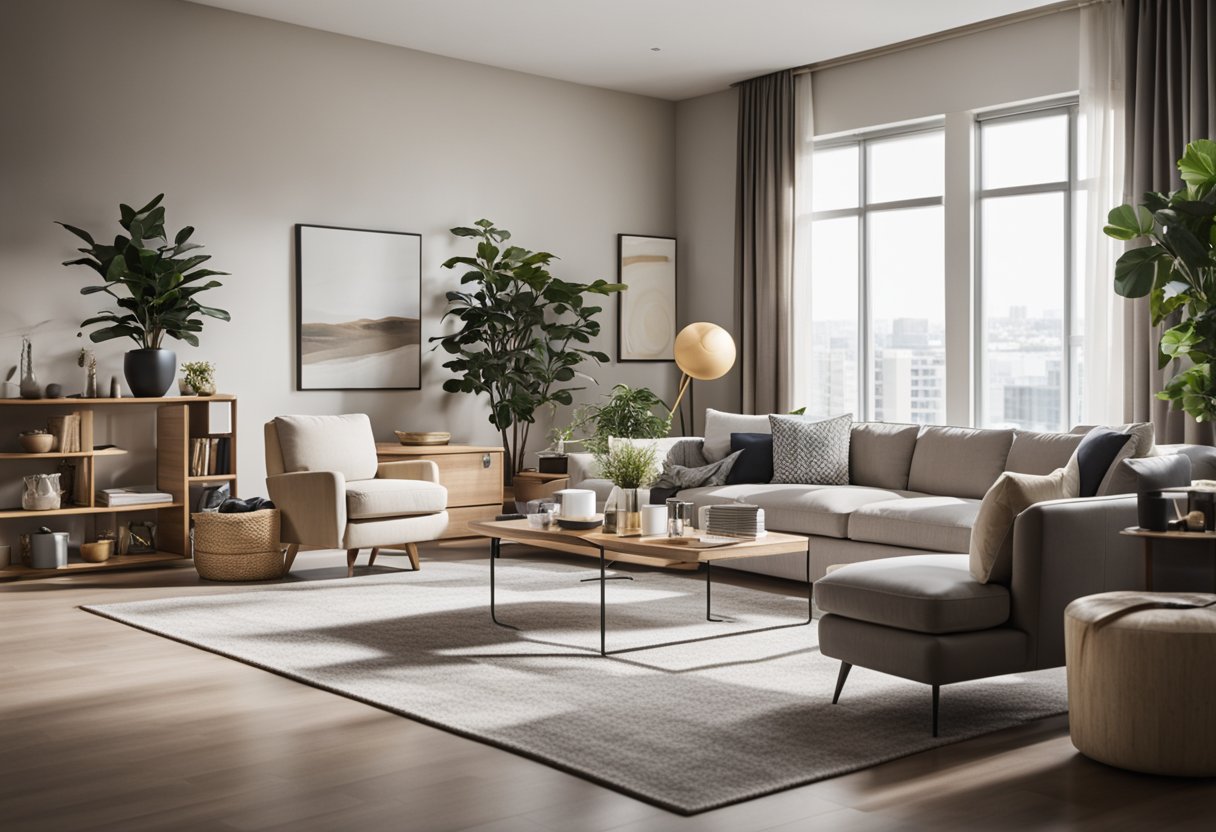
You can store your footwear neatly even when your hallway or closet floor is very small. Use shallow furniture, vertical wall racks, and under-bed bins to clear your entryway. These six shoe storage ideas for a narrow space will keep your shoes off the floor without blocking your walk space.
How do you store shoes in a narrow hallway?
The best way to store shoes in a tight hall is to build upwards instead of outwards. Standard floor racks are often twelve inches deep, which takes up too much room in a tight entry. Switch to tilted shoe cabinets or wall hooks that drop your depth down to five or six inches.
Set a firm limit on how many pairs stay by the front door. Keep only three pairs of shoes per person in your narrow entryway at one time. Move off-season boots, extra trainers, and special shoes to secondary storage in your bedroom or guest closet.

Use shallow tipping shoe cabinets
Tipping shoe cabinets are built for tight halls. The drawers pull open from the top and store shoes vertically on an angle. This allows the cabinet to stand flush against the wall with a total depth of just six inches.
Place one long cabinet near your front door or stack two smaller units on top of each other. Secure the cabinet to your wall studs with screws so it never tips forward when pulled open. Use the flat top surface to hold a small dish for your house keys.
Install low profile wall racks
Floating wall shelves clear your baseboards and keep the floor easy to sweep. You can mount metal shoe rails or simple wood ledges along an unused wall, behind a bedroom door, or down a tight corridor. Practicing efficient Housekeeping keeps these high-traffic paths clear of dangerous tripping hazards.
Follow these quick steps to mount your vertical wall racks in thirty minutes:
- Measure the width of your wall and mark height lines starting twelve inches above the floor.
- Space each rail ten inches apart vertically so high tops and heels fit without catching.
- Use a bubble level to mark your screw holes so your shoes do not slide sideways.
- Drill drywall anchors into the wall before driving in your screws to ensure a strong hold.
- Hang shoes by the heel on the top rail or rest flat soles on narrow wooden ledges.
Try under bed storage rolling bins
When your entry has zero extra floor space, use the empty area under your bed frame. Clear plastic bins with wheels protect your shoes from dust while keeping them out of sight. You can pull them out in two seconds when dressing in the morning.
Use fabric dividers inside the plastic bins to separate each pair of shoes. Store seasonal items here, such as heavy winter boots during summer or sandals during winter. Wash and dry the soles completely before packing them away to prevent unwanted odours.
- Measure the clearance height under your bed frame before buying any plastic containers.
- Choose containers with clear lids so you can see your shoes without opening every box.
- Place small cedar blocks inside the bins to absorb extra moisture and keep air fresh.
- Group your shoes by type, keeping work shoes in one bin and gym sneakers in another.
Hang over the door shoe organizers
The back of a closet door or utility door offers valuable room that often goes unused. Fabric hanging bags with clear pockets hold up to twelve pairs of flat shoes without taking up an inch of floor area. This simple fix is standard practice in Professional organizing for small spaces.
Hang the organizer using heavy metal hooks that fit over the top of your door frame. Put heavier shoes like running trainers in the bottom pockets so the door swings smoothly without banging. Reserve the top pockets for light items like canvas slip-ons, flip flops, and house slippers.
Comments
Post a Comment