Photo: Openverse Crypto words sound like a totally different language when you first hear them. Your friend tells you about HODL, someone on the internet warns you about FOMO, and you just want to know what any of it means. Learning these basic terms makes the whole space much easier to understand. You do not need a computer degree to get this stuff. Most crypto words are just simple ideas wrapped in slang or technical shortcuts. Once you learn about twenty core terms, you can read the news and talk to people without feeling lost. The Basic Words You See Every Day Let us start with the plain words people use to describe the tech itself. You will hear these five terms in almost every news story or video about digital money. A cryptocurrency is digital money that does not rely on a traditional bank to work. People just call it crypto for short. Bitcoin was the very first one, created back in 2009 by an unknown person using the name Satoshi Nakamoto. A coin is a digital asset ...
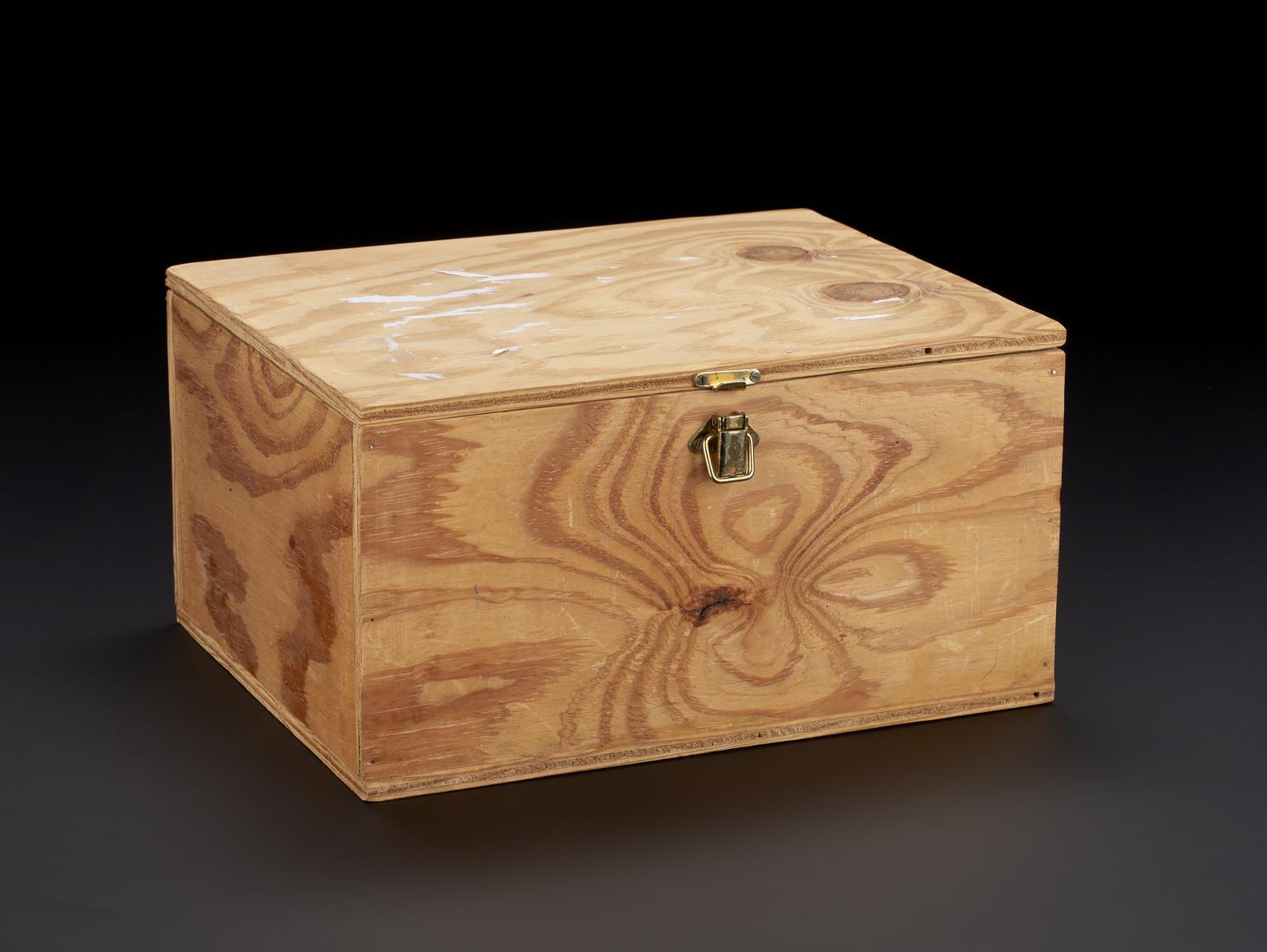
Decluttering sentimental things without the guilt comes down to setting a physical limit on your storage space and separating memories from physical objects. You only need twenty minutes to start by choosing one small box of old keepsakes to sort. Keeping the items that truly bring you joy lets you let go of the rest without feeling bad.
How do I let go of sentimental clutter without feeling guilty?
You can clear your home of old keepsakes by shifting how you view your possessions. An object is not the person who gave it to you, nor is it the memory itself. When an item sits hidden in a dusty box in your attic for years, it is not honoring the past. Releasing an item gives you the freedom to enjoy your present living space while keeping the actual memory safe in your heart.
Start by giving yourself permission to keep only what genuinely matters to you right now. If a family heirloom or an old gift makes you feel heavy, anxious, or burdened, it has served its purpose. A great place to start learning about managing household items is through standard Housekeeping methods that focus on keeping your home functional and peaceful.

Set clear physical boundaries for your keepsakes
The easiest way to prevent sentimental items from taking over your home is to use a fixed container limit. Choose one specific bin, trunk, or shelf for your personal keepsakes. Once that container is full, you must remove an older item before adding a new one. This forces you to curate your collection rather than accumulate endless boxes over time.
When you start sorting through a box, follow a set process to keep yourself on track without getting overwhelmed by emotion:
- Set a timer for exactly twenty minutes so you do not get tired or stuck.
- Pull out three items that you absolutely love and place them back in the box first.
- Take a photograph of items that have a nice memory but take up too much physical space.
- Place unwanted items directly into a donation bag so they leave your home quickly.
Decluttering sentimental things in five practical steps
Sorting through emotional belongings requires a structured method so you do not spend hours staring at a single photo album. Working through your items in a specific order helps build your decision making muscle. You will find that letting go gets easier with each item you process.
Follow these five simple steps to clear your emotional items safely:
- Gather all items from one specific category, such as old letters or childhood toys, into one spot.
- Separate the broken, stained, or severely damaged items and throw them away immediately.
- Pick out the absolute favorites that bring an instant smile to your face.
- Write down the story behind items you want to remember before passing the actual item along.
- Box up the donate pile and place it in the trunk of your car right away.
Find creative ways to honor the items you choose to keep
Instead of leaving your favorite sentimental pieces hidden away in cardboard boxes, bring them out into your home where you can see them. Displaying a small selection of meaningful items turns clutter into intentional decoration. If an item is not worth displaying or using, ask yourself if it really deserves a permanent spot in your limited living space.
Many people find success working with a guide or using Professional organizing strategies to group like items together cleanly. Frame special handwritten recipe cards, turn old baby blankets into a single quilt, or shadowbox a small souvenir from a favorite vacation. Keeping just three special items on display means far more than keeping thirty items buried in your closet.
Handle family gifts and inherited items with care
Gifts and inherited items often carry the heaviest guilt because we associate them with our relationships. Remember that the true value of a gift was delivered the moment it was given to you. The giver wanted to show love, not assign you a permanent maintenance task for the rest of your life.
If you feel guilty about getting rid of family items, offer them to other family members first with a clear deadline of two weeks to pick them up. If no one wants them, donate them to a local charity where someone else can actively use and appreciate them. Releasing these items allows another person to find value in something that was only sitting in your dark storage space.
Comments
Post a Comment